Short version:
• Hard water is a documented challenge for Regina households, and a professionally installed water softener is the most reliable solution.
• Professional installation ensures correct system sizing, proper plumbing integration, and long-term performance.
• Certified Plumbing & Heating Ltd installs whole-home softeners, sediment filters, carbon filters, and reverse osmosis systems in Regina and the surrounding area.
Homeowners in Regina who notice white mineral deposits on fixtures, soap scum buildup, or dry skin after showering are likely dealing with hard water. A professionally installed water softener addresses these problems at the source by removing the excess calcium and magnesium minerals responsible for water hardness.
Why Hard Water Is a Persistent Problem in Regina
Regina’s municipal water is treated for safety, but it is not softened before it reaches household taps. That means dissolved minerals pass through the distribution system and into home plumbing unchanged. Water hardness is typically measured in grains per gallon (GPG), and the Regina area is considered very hard at 17 grains per gallon.
According to Health Canada’s Guidelines for Canadian Drinking Water Quality, water supplies with a hardness greater than 200 mg/L are considered poor but have been tolerated by consumers; those in excess of 500 mg/L are unacceptable for many domestic purposes and may require softening. The Health Canada Guidelines for Canadian Drinking Water Quality also note that where a softener is used, a separate unsoftened supply for drinking and cooking is recommended.
Mineral buildup from hard water can reduce the lifespan, performance, and efficiency of major appliances and water heaters. Beyond equipment wear, hard water reacts with soaps and detergents, leaving filmy residues on clothing and dishes, and it affects how hair and skin look and feel after a shower.
Salt-Based Softeners vs. Filtration Systems: A Direct Comparison
Choosing the right system depends on your specific water quality concerns. The table below outlines the most common options.
| System Type | Primary Function | Best For |
| Salt-based ion exchange softener | Removes calcium and magnesium via ion exchange | Households with high hardness levels |
| Carbon filter | Reduces chlorine, odors, and chemical taste | Improving overall taste and odor |
| Sediment filter | Captures particles and suspended solids | Homes with cloudy or gritty water |
| Reverse osmosis (RO) unit | Removes a broad range of dissolved contaminants | Drinking water quality at the tap |
Water softeners work by removing excess minerals, primarily calcium and magnesium, that cause water hardness. Salt-free conditioning systems mitigate scale without removing minerals, while salt-based softeners actually remove hardness and are common and proven, though they add a small amount of sodium to the water.
Professional installation covers whole-home and commercial-grade water softeners, sediment filters, carbon filters, and reverse osmosis systems, ensuring clean, high-quality water throughout a property. Selecting the correct system requires a water quality assessment first, since hardness levels, flow rate, and household size all influence which unit performs best.
What Professional Water Softener Installation Involves
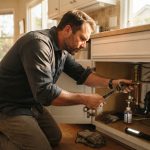
A professional installation goes well beyond connecting a unit to a water line. Certified technicians install and service a wide range of water filtration and softening systems engineered to improve water clarity, protect plumbing, and extend the lifespan of appliances.
Key steps in a proper installation typically include:
• Water quality assessment to confirm hardness level and identify secondary concerns such as sediment or chlorine
• System sizing based on household water consumption and hardness readings
• Water line design, routing, or rerouting to integrate filtration or conditioning equipment, supporting renovations, expansions, or changes in water usage
• Bypass valve installation so the softener can be isolated for maintenance without interrupting water supply
• System modernization, upgrading aging water treatment equipment with high-efficiency filtration units, advanced softening technology, and durable components
With proper maintenance, a water softener system can last between 10 and 15 years. Regularly cleaning the brine tank, replacing the resin when necessary, and checking for malfunctions can help extend the life of the system and maintain its performance.
Frequently Asked Questions
How do I know if I need a water softener in Regina? Common indicators include white scale deposits on taps and showerheads, soap that does not lather well, stiff laundry, and spotty dishes after washing. A water quality test confirms hardness levels and guides the right system choice.
Can I install a water softener myself? Basic connections are possible for experienced DIYers, but incorrect sizing or plumbing errors can reduce system performance and void equipment warranties. Professional installation ensures the unit is properly configured for your home’s specific water pressure and flow rate.
Is softened water safe to drink? Health Canada notes that children under 8 years of age should not drink water containing sodium from a water softener, as they may exceed the recommended upper limit of sodium per day. For households with young children or individuals on low-sodium diets, a dedicated unsoftened or reverse osmosis drinking tap is the standard recommendation.
How often does a water softener need maintenance? A water softener should be inspected once a year to ensure it is running properly and efficiently. Salt levels should be checked monthly, and the brine tank should be cleaned periodically to prevent salt bridges from forming.
Schedule a Water Filtration Assessment in Regina
Addressing hard water early protects household plumbing, reduces appliance wear, and improves daily comfort. For over 30 years, the team has supported homeowners and businesses throughout Regina and surrounding communities, and being locally rooted means they understand the challenges caused by hard water in the region. To request an assessment or discuss system options, contact Certified Plumbing & Heating Ltd directly. A qualified technician can evaluate your water quality, recommend the appropriate system, and complete the installation to code.